Design Thinking for Embroidery
As an embroidery designer and product reviewer, I’ve evaluated countless machine embroidery designs. One that stands out is the Design Thinking icon set. It’s a collection of graphics meant for digital use, but its potential in real-world embroidery projects is worth exploring.
First Impressions: A Modern, Versatile Aesthetic
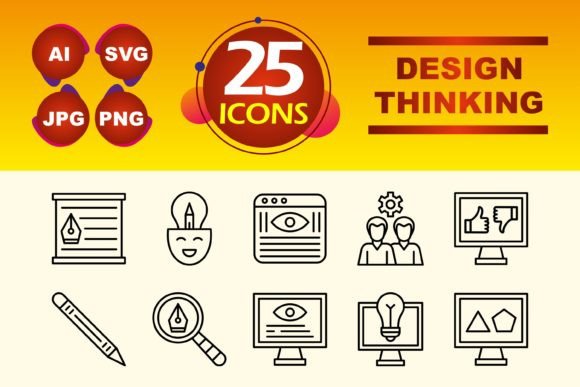
The Design Thinking icons have a clean, minimalist feel. The shapes are geometric yet approachable, with a focus on clarity and simplicity. This makes them ideal for embroidery projects that require a professional or modern look. The layout is consistent, with a balanced use of negative space and detail. It feels like a design that could work well on both casual and high-end products.
The visual personality of the icons is neutral but confident. They don’t scream for attention, but they do communicate purpose. This makes them suitable for a wide range of applications, from business branding to personalized gifts.
Real-World Embroidery Use Cases
When considering how Design Thinking would translate to actual embroidery, it’s important to think about where it would fit best. These icons are perfect for custom apparel, such as sweatshirts, t-shirts, and tote bags. Their clean lines make them easy to stitch, even on smaller hoop sizes.
They also work well for baby items, like onesies or burp cloths, where simplicity and readability are key. For small business owners, these designs could be used on aprons, caps, or pillow covers—products that often need a polished, professional look without being too flashy.
One scenario that comes to mind is a custom embroidered tote bag for a tech startup. The Design Thinking icons could add a subtle, meaningful touch to the design. They’d look great on a dark fabric, where the contrast between the thread and the background would be clear.
Where to Be Cautious
While Design Thinking is versatile, there are some situations where it might not perform as well. On textured fabrics or thin, stretchy materials, the details could get lost or distorted. It’s also important to consider the hoop size—some of the more intricate icons may require a larger hoop to maintain their integrity.
For delicate or layered garments, the design might not hold up well during washing or wear. If you’re planning to use these icons on a holiday gift or a personalized product, it’s wise to test them first on a scrap piece of fabric.
Impact on Visual Appeal and Customer Perception
Embroidery is as much about the finished product as it is about the process. Design Thinking can elevate the visual appeal of a handmade product, making it more attractive to customers. Its clean, modern style adds a sense of professionalism, which can help build trust and encourage purchases.
For Etsy sellers and craft fair vendors, this design could be a valuable addition to their inventory. It offers a unique, recognizable element that can make a product stand out. Whether it’s used on a custom shirt or a printable mockup, the design has the potential to enhance brand consistency and buyer engagement.
Practical Tips for Designers and Sellers
If you’re planning to use Design Thinking in your embroidery projects, here are a few practical tips:
- Test the design on scrap fabric before using it on a final product.
- Check thread color contrast against the fabric to ensure visibility.
- Review the stitch density to avoid overly dense areas that could cause puckering.
- Confirm the hoop size required for each design to ensure it fits your machine.
- Inspect small details to make sure they translate well to embroidery.
- Test the design in black and white mockups to see how it looks on different backgrounds.
- Compare how it appears on light and dark fabrics to choose the best option.
- Use the proper stabilizer for the fabric type to prevent distortion.
- Ensure the design works for both personal and commercial projects.
- Confirm the licensing terms before selling finished items or digital products.
Conclusion: A Thoughtful Choice for Creative Entrepreneurs
Design Thinking is a smart choice for embroidery designers, small business owners, and creative entrepreneurs looking for a modern, versatile design. It offers a balance of simplicity and sophistication that can enhance a wide range of products. With careful consideration and testing, it can become a valuable asset in your embroidery workflow.