User Experience Graphics and Icons
The First Impression of User Experience
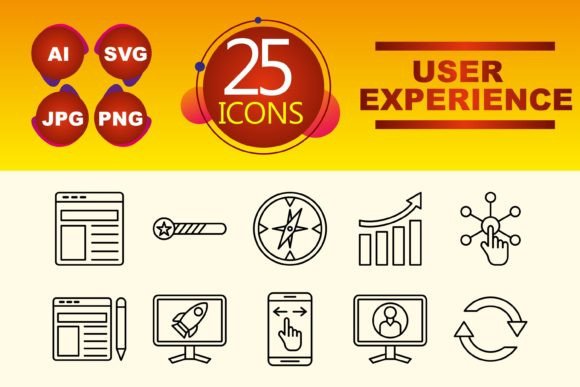
As a brand designer, the first thing I notice about User Experience is its clean, modern aesthetic. The icons are simple yet effective, creating a sense of clarity and professionalism. This design asset instantly conveys a mood of approachability and efficiency, making it ideal for brands that want to communicate ease of use and intuitive design.
How User Experience Influences Audience Perception
User Experience has a subtle emotional tone that aligns well with lifestyle content, tech startups, and digital services. It feels right for casual branding but can also be adapted for premium visuals when paired with the right color palette. The design is versatile enough to support handmade products, event promotions, or editorial graphics without feeling out of place.
Real-World Marketing Applications
When working on a small business campaign, User Experience can be a valuable graphic design asset. Whether it's for social media graphics, Instagram posts, or email banners, these icons help create visual consistency across platforms. For instance, a seasonal offer campaign could use these icons to highlight key features like navigation, accessibility, or user interaction.
Supporting Brand Identity and Visual Hierarchy
User Experience plays a crucial role in establishing a strong visual hierarchy. In logo design or packaging design, these icons can serve as subtle accents that reinforce the brand’s message. They also help in creating a more consistent brand identity by ensuring that all marketing materials share a cohesive look and feel.
Enhancing Digital Ads and Content Marketing
For digital ads and content marketing, User Experience can make a big difference. These icons can be used in blog graphics, website headers, or lead magnets to guide the audience through the content. Their simplicity ensures they don’t distract from the main message while still adding value to the overall design.
Best Uses for User Experience
User Experience shines in hero graphics, campaign headers, and product launch visuals. As part of a design bundle, these icons can be integrated into Canva templates, printable designs, or digital products that require a modern touch. They also work well in editorial layouts, promotional banners, and decorative brand elements that need a professional appearance.
Where to Use with Caution
While User Experience is a powerful tool, it may not be suitable for every project. In formal corporate branding, where minimalism is key, these icons might feel too busy. Similarly, in dense information layouts or low-contrast backgrounds, they could lose their impact. It’s important to test them in real campaign mockups before finalizing any design.
Practical Design Notes for Brand Owners
Before using User Experience in a campaign, always test it with your brand color palette. Check how it looks in black and white and ensure it works well on mobile screens. Also, review how it pairs with different font styles—serif, sans serif, script, or display fonts. Make sure the spacing and balance feel natural within your overall design.
Commercial Licensing and Design Asset Considerations
One of the most important aspects of using User Experience is confirming the commercial license. Whether you're creating a digital product, a printable design, or a social media graphic, you need to ensure the asset is properly licensed for your intended use. This is especially critical for client work or business branding projects.
Why User Experience is a Strong Design Asset
User Experience offers a range of benefits for content creators and small business owners. It helps build audience trust through its clean and professional appearance. It supports stronger first impressions and improves engagement by making campaign visuals more memorable. With the right application, it can elevate your brand’s visual presence across multiple platforms.
Final Thoughts on User Experience
As a brand designer and content marketer, I find User Experience to be a reliable addition to any creative toolkit. Its versatility makes it suitable for a wide range of marketing needs, from social media graphics to packaging design. When used thoughtfully, it can enhance your brand’s visual storytelling and help you connect more effectively with your audience.